Gochujang
Also called Korean chili paste, Korean red pepper paste
A thick Korean paste of chili, glutinous rice, fermented soybeans and salt. It tastes sweet, salty and spicy at once, with a deep fermented savor.
Flavor profile
Aroma: sweet heat, fermented, savory
Good to know
Origin: Korea
Forms: paste
Storage: Refrigerate after opening with the surface pressed flat. It keeps for months.
How to use gochujang
Thin It First
The paste is too thick to coat food evenly. Whisk it with soy sauce, sesame oil or a little water before brushing it on.
Glaze Late
Gochujang has plenty of sugar. Brush it on near the end of roasting or grilling so it caramelizes instead of scorching.

What goes with gochujang
- Pork Belly. Gochujang's sweet heat caramelizes on fatty pork belly and cuts through its richness.
- Chicken thigh. Gochujang's sugars brown on chicken thigh skin, giving sticky, spicy-sweet roasts and wings.
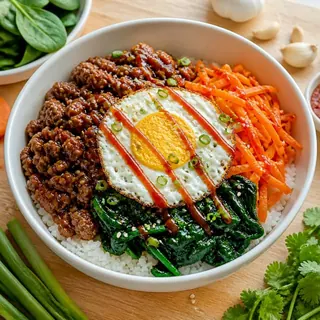
- Rice. Plain rice calms gochujang's heat and carries its sauce, as in bibimbap.
- Pork Shoulder. Gochujang's sweet heat clings to slow-cooked pork shoulder and stands up to its richness.
- Beef Chuck. Gochujang's fermented depth suits braised beef, matching the meat's savory flavor.
- Sesame Oil. Toasted sesame oil's nutty aroma rounds out gochujang's heat in bibimbap sauce and marinades.
- Garlic. Garlic's sharp bite and gochujang's fermented sweetness are the base of many Korean marinades.
- Soy Sauce. Soy sauce adds salt and umami and thins gochujang into a glaze.
- Scallion. Fresh or charred scallion gives a sharp contrast to gochujang's sweet, heavy paste.
- Sesame Seed. Toasted sesame seeds add crunch and a nutty aroma over gochujang dishes.
Mistakes to avoid
- Adding it to a screaming hot pan from the start, which burns the sugars and turns the paste bitter.
- Treating it like plain chili sauce. It is salty and sweet, so cut back on added salt and sugar.
Ideas for tonight
- Gochujang chicken thighs roasted until sticky
- Bibimbap with a spoonful of gochujang sauce
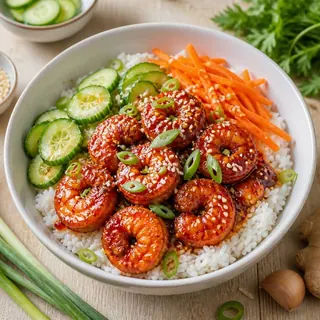
- Spicy gochujang pork stir-fry over rice
Gochujang: questions
What does gochujang taste like?
A thick Korean paste of chili, glutinous rice, fermented soybeans and salt. It tastes sweet, salty and spicy at once, with a deep fermented savor. Its strongest notes are warm, sweet, pungent, with an aroma that is sweet heat, fermented, savory.
What goes well with gochujang?
Gochujang pairs best with pork belly, chicken thigh, rice, pork shoulder, beef chuck. Gochujang's sweet heat caramelizes on fatty pork belly and cuts through its richness.
How do you use gochujang in cooking?
Thin It First: the paste is too thick to coat food evenly. Whisk it with soy sauce, sesame oil or a little water before brushing it on.
How should you store gochujang?
Refrigerate after opening with the surface pressed flat. It keeps for months.
What is the most common mistake with gochujang?
Adding it to a screaming hot pan from the start, which burns the sugars and turns the paste bitter.