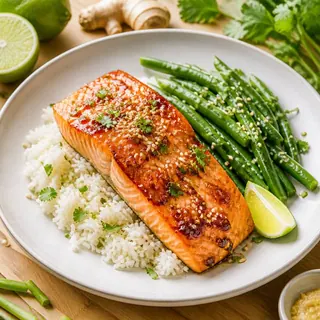
Why steaming keeps flavor in

Steam is water vapor at 100°C (212°F). When it condenses on cold food, it hands over a lot of heat fast. The food sits above the water, so there's little cooking water for flavor compounds to dissolve into.
Cooking time affects green color
Brief heat drives air out of green vegetables, so they look brighter. With longer cooking, the vegetable's own acids turn chlorophyll olive and dull. Pull green beans while they're tender-crisp. Keep the lid on, because lifting it lets steam escape.

Test yourself
Questions from the interactive lesson, with the answer and the why.
You boil broccoli for a long time and the florets taste flat. What explains it?
Flavor compounds leached into the water. Flavor compounds that dissolve in water drain away with the cooking liquid.
True or false: Steaming vegetables above the water, not in it, keeps soluble flavor compounds from washing away.
True. With no pool of water around the food, there's less for flavor compounds to dissolve into.
What went wrong? You steam green beans for 15 minutes with the lid on. They come out olive and mushy.
They cooked too long, so acids dulled the green. Long heat breaks down chlorophyll and softens the cell walls.
Fill the blank: Steam cooks fast because it releases heat as it ___ on cold food.
Steam cooks fast because it releases heat as it condenses on cold food. Turning from vapor to liquid on the food releases a lot of heat.
At sea level, how hot is steam from boiling water in an open pot?
About 100 C. Open-pot steam sits at about 100°C (212°F) at sea level.
Why does steam heat food faster than hot air at the same temperature?
Condensing steam hands over stored heat. Turning back into liquid hands over a large amount of heat.