Building savory flavor

Umami is the savory taste in tomatoes, parmesan and soy sauce. It comes from glutamate, an amino acid, and from nucleotides found in meat, fish and mushrooms. Stir tomato paste or soy sauce into a bland stew and taste the difference.
Glutamate and nucleotides boost each other
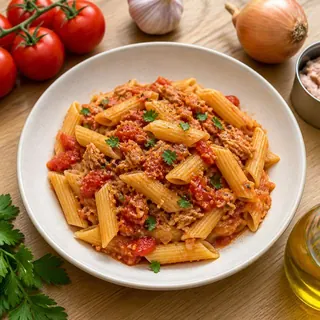
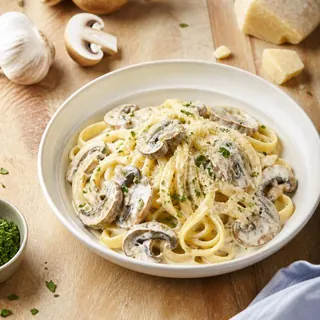
Glutamate and nucleotides taste much stronger together than either does alone. That is why tomato with beef, or parmesan with mushrooms, tastes so rich. Pair a glutamate food with a nucleotide food.
Where umami is found
Anchovies, kombu and miso are packed with umami. Drying concentrates it, while aging and fermenting free more glutamate from protein. That's why dried mushrooms, aged cheese and long-simmered stock taste so savory.
Kombu, an umami seaweed
Kombu is a dried seaweed rich in glutamate, and umami was first identified from it in 1908. For dashi, steep a strip in hot water just below a simmer and remove it before the water boils.

Test yourself
Questions from the interactive lesson, with the answer and the why.
A plain vegetable soup tastes thin and flat. Which pair would add the most savory depth?
Tomato paste and soy sauce. Both are rich in glutamate, which adds savory depth.
True or false: Glutamate, an amino acid, is one of the main compounds that make food taste umami.
True. Glutamate is found in many foods, including tomatoes, cheese and soy sauce.
Fill the blank: Aged parmesan and miso taste savory because aging frees ___ from protein.
Aged parmesan and miso taste savory because aging frees glutamate from protein. Aging breaks protein into free amino acids such as glutamate, which taste savory.
What went wrong? You add lemon and salt to a bland sauce to make it taste meatier and more savory. It doesn't work.
Salt and acid are not umami sources. Salt and acid change other tastes. Umami needs glutamate, as in tomato paste.