Shallot
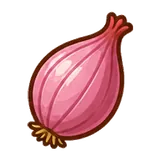
Shallots bring a sweet, mild onion taste, perfect for nuanced sauces and vinaigrettes.
Flavor profile
Aroma: mild, sweet
Good to know
Origin: Central or Southwest Asia
Forms: fresh, frozen
Storage: Store whole shallots in a cool, dark, and dry place.
How to use shallot
Sautéing for Sweetness
Cook shallots gently. The Maillard reaction caramelizes fructose to bring out sweetness.
In Vinaigrettes
Mince them raw. Their mild sulfur compounds add subtle depth.
What goes with shallot
- Butter. Shallots and butter combine for a rich base; butter mellows the shallot's bite.
- Thyme. Thyme's earthy terpenes amplify shallots' subtle sweetness.
- Mustard. Mustard's pungency cuts through shallots' sweetness for contrast.
- Vinegar. Vinegar's acid cuts through shallot's natural sweetness.
- White Wine. Shallots' sweetness blends with white wine's acidity.
- Asparagus. Shallot's mild sweetness suits asparagus without overpowering it.
- Green Bean. Sweet shallots mellow and enrich green beans in a simple saute.
- Lemongrass. Sweet shallot rounds lemongrass's sharp citrus in pastes.
- Mushroom. Sweet shallot rounds mushroom's earthy flavor in pan sauces.
- Peanut. Fried shallot adds sweet crunch to peanut dishes.
Mistakes to avoid
- High heat burns fructose, ruining flavors.
- Too many shallots bring an overpowering sulfur hit.
Ideas for tonight
- Sauté with mushrooms for a side.
- Add finely chopped to dressings.
- Use as a base for butter sauce.
Shallot: questions
What does shallot taste like?
Shallots bring a sweet, mild onion taste, perfect for nuanced sauces and vinaigrettes. Its strongest notes are warm, sweet, pungent, with an aroma that is mild, sweet.
What goes well with shallot?
Shallot pairs best with butter, thyme, mustard, vinegar, white wine. Shallots and butter combine for a rich base; butter mellows the shallot's bite.
How do you use shallot in cooking?
Sautéing for Sweetness: cook shallots gently. The Maillard reaction caramelizes fructose to bring out sweetness.
How should you store shallot?
Store whole shallots in a cool, dark, and dry place.
What is the most common mistake with shallot?
High heat burns fructose, ruining flavors.